Storage Security Features: What Actually Matters
This guide helps compare unit size, climate control, drive-up versus indoor access, price and fees, access hours, and the questions to ask before renting.
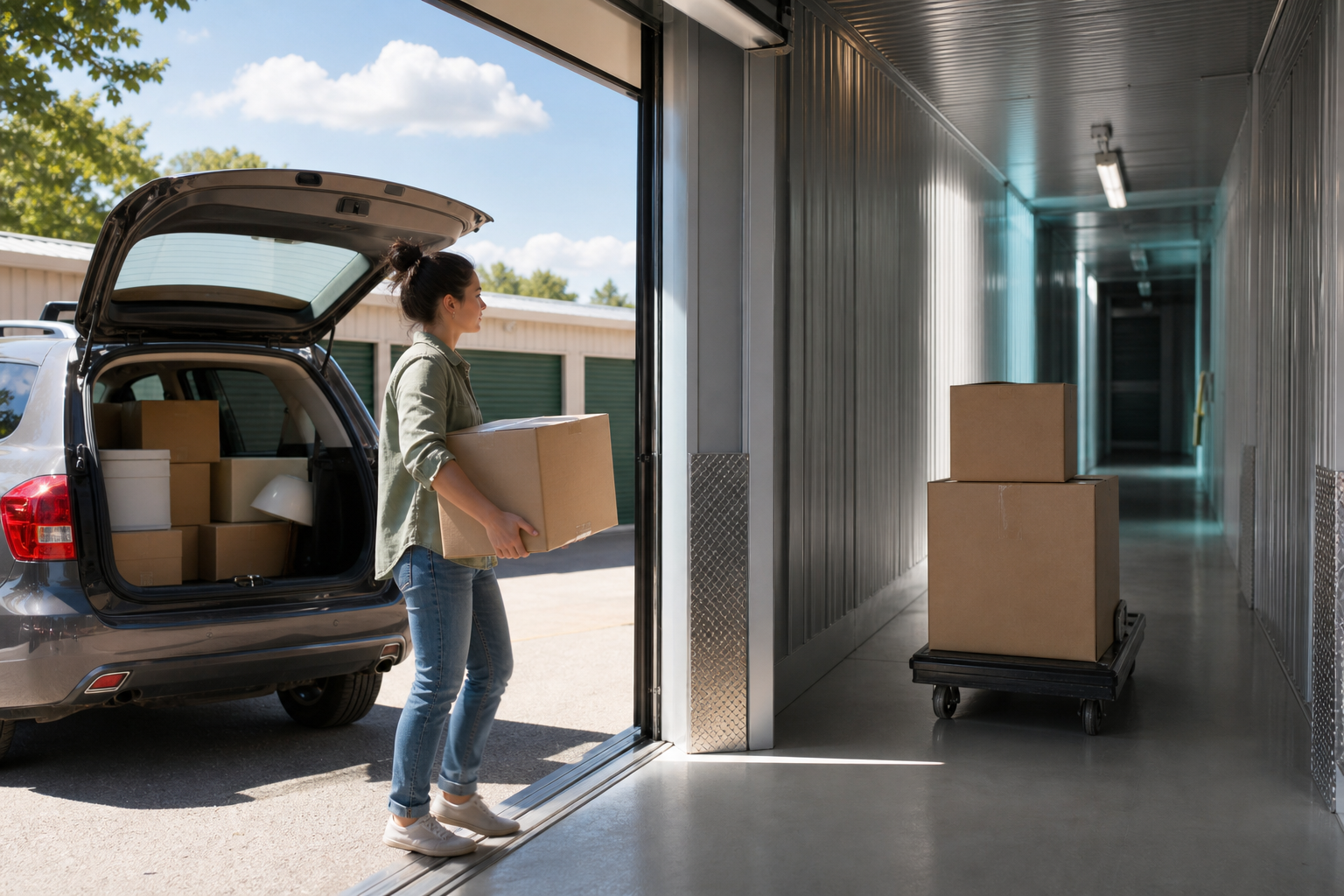
How to read a facility's security setup so you're protecting the right things — not just checking boxes
Most storage security lists treat every renter the same, but the features that matter depend on what's inside your unit. This guide helps you weigh surveillance, access control, lock type, lighting, and insurance against your specific items, then line that up against unit size, climate control, drive-up vs. indoor access, price and fees, and access hours — plus the questions worth asking before you reserve.
What matters most
Use the article as a decision filter: choose the smallest unit that comfortably fits your load, use climate control for wood, electronics, documents, photos, and fabrics, prioritize access that matches your real schedule, and compare regular rates and fees before trusting the cheapest promotion.
Start with the specific items you're storing
Security only means something in relation to what's behind the door. A unit holding patio furniture and holiday bins needs far less protection than one storing a laptop, power tools, or family documents. Before you compare cameras and gates, make a rough inventory and sort it by two questions: how much would it cost to replace, and how hard would it be to replace. High-value, hard-to-replace items justify individual door alarms, indoor access, and a facility that requires tenant insurance. Bulky, low-value items rarely do.
- High risk: electronics, tools, documents, collectibles
- Low risk: outdoor furniture, plastic bins, seasonal decor
- In between: appliances, mattresses, boxed household goods
Photograph everything as you pack and note serial numbers on electronics and tools. If you ever file a claim, that inventory does more for you than any camera on the property.
Compare protection and access before you compare price
Once you know what you're storing, weigh the features that actually change outcomes. Gated entry with a personal access code, cameras covering entrances and drive lanes, and bright lighting are the working foundation — a facility missing any of these is cutting a corner you'll feel later. Individual door alarms and indoor, climate-controlled hallways add a real layer for sensitive items. Ask what type of lock the facility recommends; a disc lock resists bolt cutters far better than a padlock. Only after protection lines up should price decide between two comparable options.
- Gated access with individual codes
- Camera coverage on entries and drive lanes
- Lighting that makes the site usable after dark
- Individual door alarms for high-value units
Ask the facility what they do the moment an alarm or camera flags something — is anyone notified, and how fast? A camera nobody watches is documentation after the fact, not prevention.
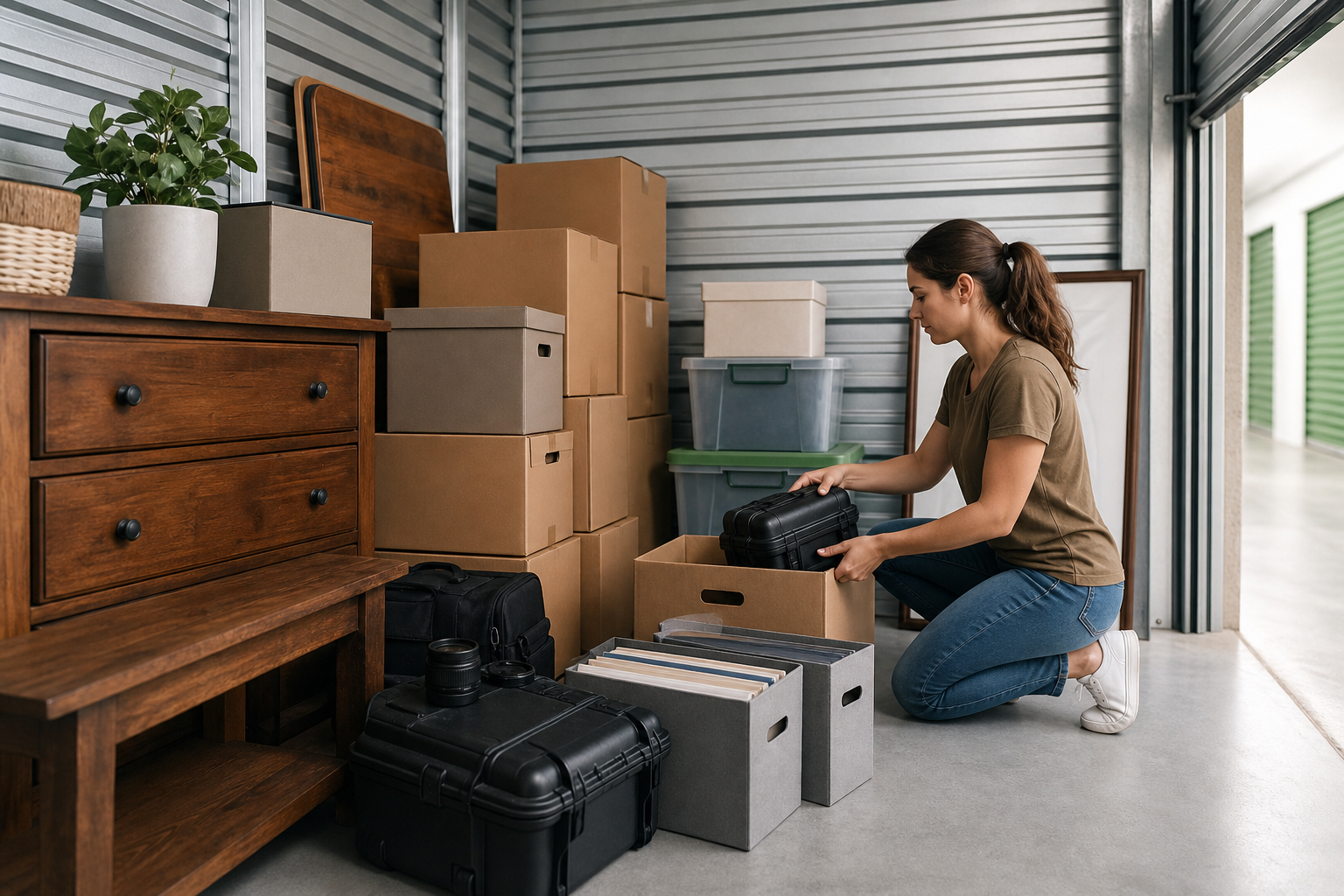
Use location as a route decision, not just a map pin
A facility's location shapes both convenience and security in ways the closest option doesn't always win. If you'll visit often, a site on your regular route between home, work, or campus means fewer late-night trips to an unfamiliar area. For a college move-out in Fayetteville or Conway, a spot near the dorms saves a haul during peak week; for boat or lake gear, a facility on the way to the water beats one across town. A well-trafficked, well-lit location near a main road is inherently harder to target than an isolated one — location is part of your security picture.
- Frequent visits: prioritize a site on your daily route
- Campus move-out: stay close to reduce peak-week hauling
- Lake/boat gear: pick a facility toward the water
Drive by the facility once in the evening before you rent. You'll learn more about lighting, gate operation, and how exposed the site feels than any listing photo will tell you.
Check the full rental experience before reserving
The strongest gate doesn't help if you can't reach your unit when you need it. Confirm access hours — 24-hour access matters for shift workers and last-minute lake trips, while gated daytime-only hours may be fine for seasonal storage. Read the fee schedule for administration charges, required insurance, late fees, and how rate increases are handled after your promotional period ends. Ask whether tenant insurance is required or offered, since no security feature replaces a policy. A facility that answers these plainly is showing you how it'll treat you as a tenant.
- Access hours that fit how you'll use the unit
- Admin fees, late fees, and insurance requirements
- How and when rates change after the promo
- Whether tenant insurance is required or offered
Get the total first-payment amount and the standard monthly rate in writing before you reserve. The advertised unit price and what you actually pay on day one are often two different numbers.
Quick summary
| Decision | What to check | Why it matters |
|---|---|---|
| What you're storing | Replacement cost and how hard items are to replace | Determines how much security is worth paying for |
| Protection features | Gate codes, camera coverage, lighting, door alarms, lock type | These change real outcomes more than the marketing does |
| Location | Distance on your route and how exposed the site feels | Affects both convenience and how targetable the site is |
| Rental terms | Access hours, fees, insurance, post-promo rate | A great gate can't fix bad terms or surprise charges |
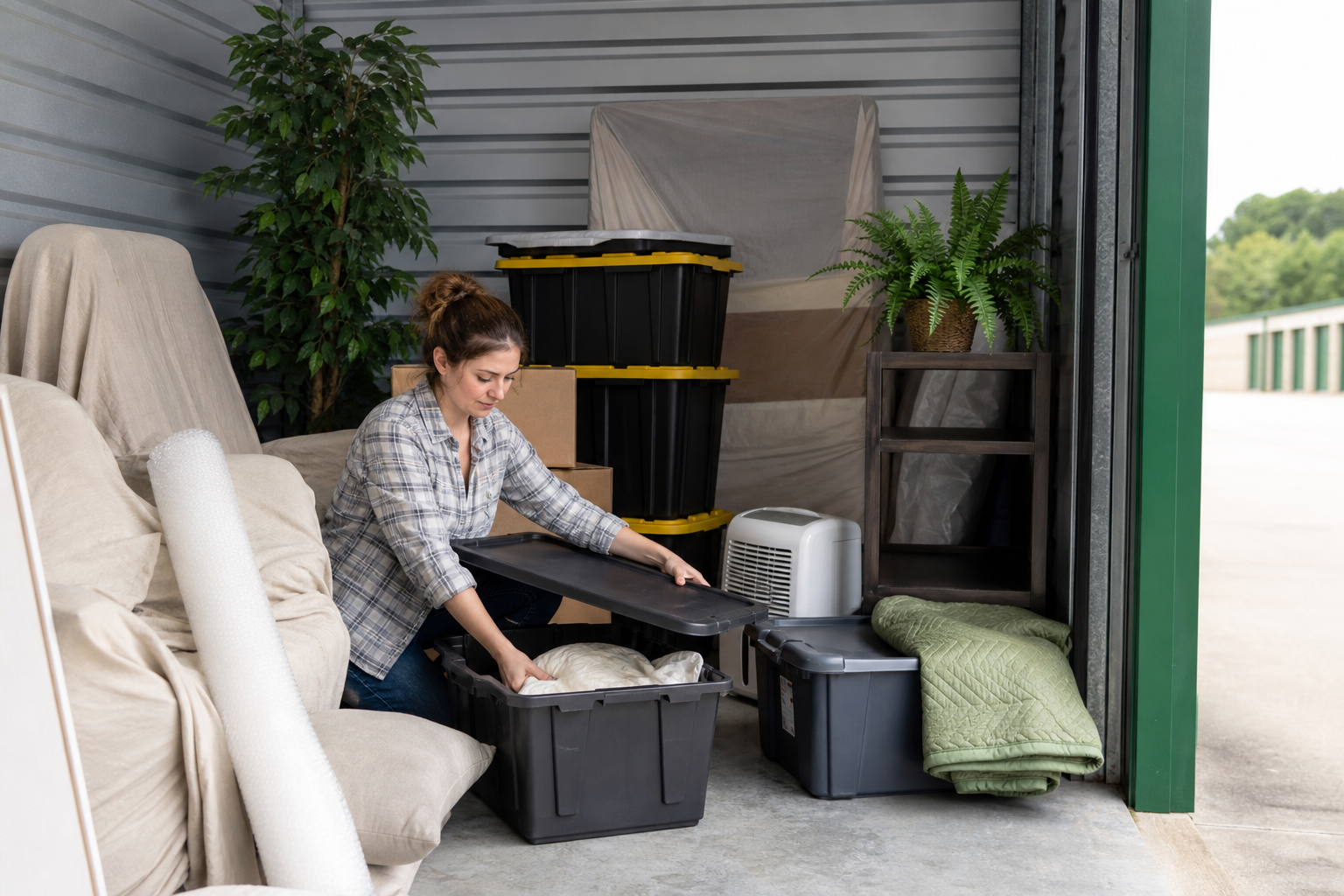
Storage numbers worth checking
Use these numbers as decision anchors before comparing facilities. The goal is not to guess a perfect unit — it is to compare the same details across options.
List largest items, box count, and aisle needs.
Use these as comparison anchors.
Monthly rate, promo length, required fees.
Drive-up convenience vs. indoor protection.
| Check | What to compare | Why it matters |
|---|---|---|
| 5×10 | Boxes, small bedroom, seasonal items | A small unit can save money if it truly fits |
| 10×10 | Apartment contents or household overflow | Often a safer middle option for mixed items |
| 10×20 | Multi-room moves or large equipment | More room can reduce loading frustration |
| Climate control | Sensitive vs. durable belongings | Arkansas heat and humidity change the risk |
StorageGuide verdict
Use the article as a decision filter: choose the smallest unit that comfortably fits your load, use climate control for wood, electronics, documents, photos, and fabrics, prioritize access that matches your real schedule, and compare regular rates and fees before trusting the cheapest promotion.
Storage FAQs
Are cameras enough to keep my belongings safe?
Cameras help deter and document, but they don't stop a break-in on their own. Pair camera coverage with a good lock, individual door alarms for valuable items, and — most importantly — a tenant insurance policy, since surveillance footage won't replace what's stolen or damaged.
Do I really need climate control for security reasons?
Climate control is about protecting items from Arkansas heat and humidity, not theft, but it belongs in the same conversation. Electronics, wood furniture, documents, and photos degrade in an uncooled unit through a long, humid summer, so treat climate control as protection for sensitive belongings even though it isn't a security feature.
Is a facility's own lock or my own lock better?
Use your own lock and choose a disc lock over a standard padlock — it's much harder to cut. Some facilities sell disc locks on site if you don't have one, and a strong lock is the single feature you fully control.
Should I pick the cheapest unit if the security looks the same?
Only after confirming the terms match. Check access hours, admin and late fees, insurance requirements, and the rate after the promotional month ends. Two units at the same headline price can cost very different amounts once those details are in writing.
Find storage that fits what you're actually storing
Compare Arkansas storage options by unit size, climate control, access, and terms — so you match protection to your belongings instead of copying a generic checklist.