Storage Units in Hot Springs, Arkansas: Local Guide
Use this size guide to compare bulky furniture, box count, walkway space, climate-control needs, drive-up access, and the questions to ask before reserving a unit.
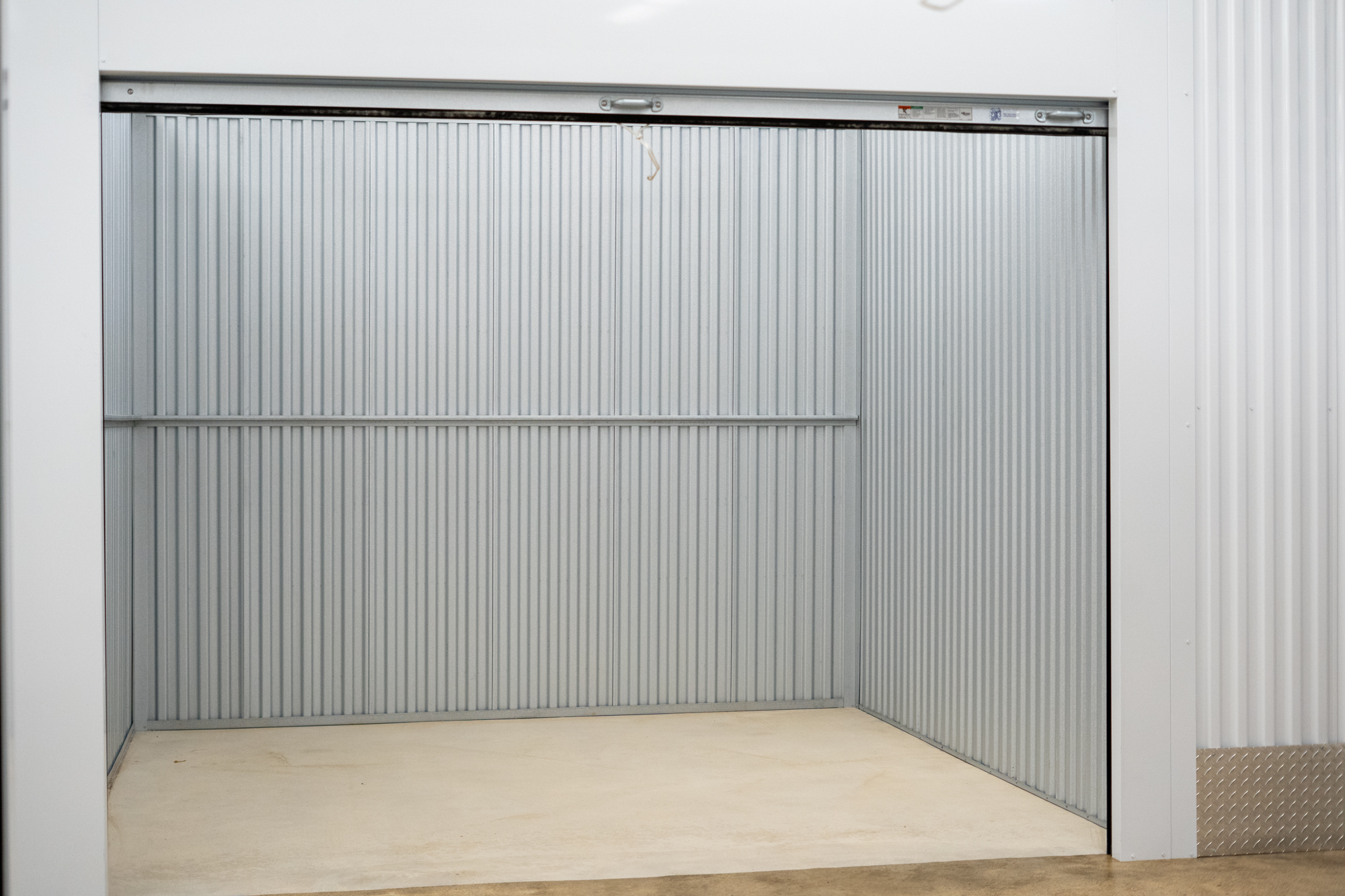
Pick a unit size in Hot Springs by starting with your bulky items, not your box count
The most common Hot Springs storage mistake is renting by box count and then discovering a sofa or fridge won't turn a corner. Measure your biggest items first, use standard unit sizes as planning ranges, and leave a walkway if you'll visit. This guide covers size selection, climate control for Arkansas summers, drive-up versus indoor access, and the pricing and access-hour questions worth asking before you rent.
What matters most
Use the article as a decision filter: choose the smallest unit that comfortably fits your load, use climate control for wood, electronics, documents, photos, and fabrics, prioritize access that matches your real schedule, and compare regular rates and fees before trusting the cheapest promotion.
Measure the bulky items before you count a single box
Box count tells you volume, but bulky items tell you whether a piece will physically fit through the door and around a corner. A queen mattress, a three-seat sofa, a refrigerator, or a tall bookshelf sets the true footprint of your unit long before your boxes do. Pull out a measuring tape and record the length, width, and height of your three largest items, then note which ones can stand on end or nest together. A sofa stood upright and a mattress leaned against a wall free up floor space that a box-first plan never accounts for.
- List your three largest items with exact dimensions
- Note which pieces can stand vertically to save floor space
- Check the door and corner clearance those items will need
Measure your widest doorway and hallway at home too, not just the item. If a sofa barely cleared your apartment door, it will need the same clearance at the unit entrance, so a drive-up unit with a wide roll-up door may matter more than raw square footage.
Use common unit sizes as ranges, not exact promises
Standard sizes are easiest to picture as furniture ranges. A 5×5 handles a closet's worth of boxes and a few small items. A 5×10 fits a studio's contents or a mattress set plus boxes. A 10×10 holds a one-bedroom apartment with a sofa and appliances. A 10×15 covers roughly a two-bedroom load, and a 10×20 approaches a small house or a vehicle. Treat these as brackets: if your inventory sits at the top edge of one range, plan as if you're in the next one up so packing day doesn't turn into a game of forcing the last few boxes.
- 5×5: closet load of boxes and small items
- 5×10: studio contents or a mattress set with boxes
- 10×10: one-bedroom with sofa and appliances
- 10×15 to 10×20: two-bedroom up to small-house loads
Sketch the unit as a rectangle on paper and place your measured big items into it to scale before you rent. Seeing a sofa and mattress drawn in shows leftover space for boxes far more honestly than a size label does.
Leave a walkway if you'll visit the unit more than once
A unit packed wall to wall stores the most, but only if you never need the item at the back. If you'll return for seasonal gear, business inventory, or a single box every few weeks, plan an aisle down the middle or along one side. Stack heavy boxes low and load shelving against the walls so the center stays clear. That walkway costs you a little capacity, which is exactly why measuring your bulky items first matters: it tells you whether the smaller unit still leaves room to move, or whether the next size up buys you both storage and access.
- Keep a clear lane if you'll return for individual items
- Line shelving along the walls to free the center
- Put frequently needed boxes closest to the door
Store the things you'll grab most near the door and label boxes on the side that faces the aisle, not the top. When boxes are stacked, side labels are the only ones you can actually read without unstacking.
When climate control earns its cost in Hot Springs summers
Hot Springs summers bring sustained heat and humidity, and an uncooled metal unit can climb well past outdoor temperatures. That swing warps wood furniture, dries out leather, curls photos and documents, and encourages mildew on upholstery and mattresses. Electronics, musical instruments, and anything with adhesive or veneer all age faster in that environment. U Storage on Albert Pike offers climate-controlled units alongside drive-up options, so the practical question is what you're storing rather than whether the feature exists. If your inventory is patio furniture and plastic bins, drive-up is fine; if it includes a sofa, wood pieces, or a mattress you plan to sleep on again, climate control protects the value.
- Climate control suits furniture, mattresses, electronics, and documents
- Drive-up is reasonable for tools, plastic bins, and outdoor gear
- Match the feature to the item, not to habit
Even in a climate-controlled unit, keep items off the bare floor on a pallet or boards and avoid sealing soft goods in airtight plastic, which can trap moisture. A cracked-open bin or breathable cover lets a mattress and upholstery vent through humid stretches.
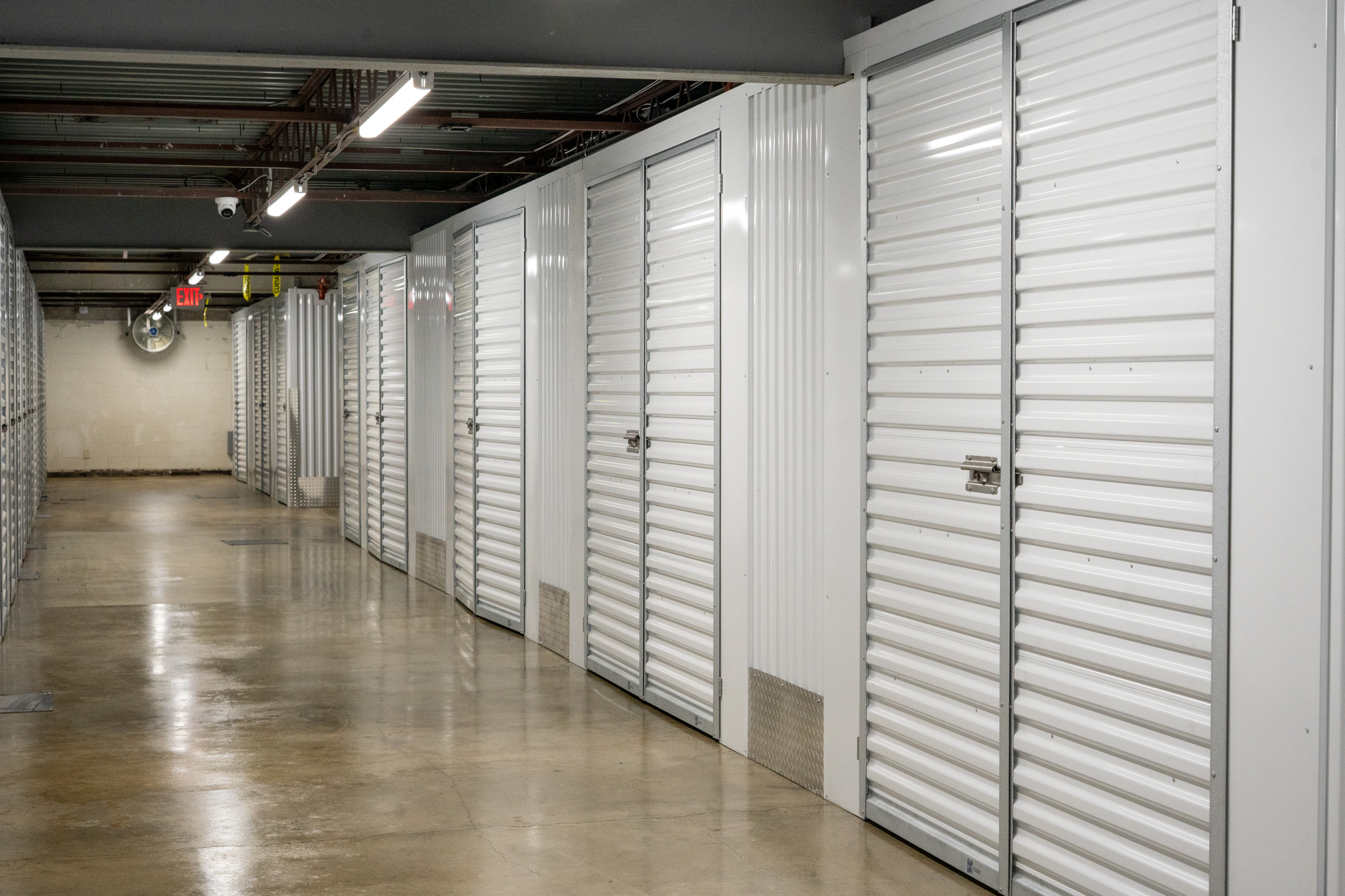
Drive-up versus indoor: which fits your Hot Springs load
Drive-up units let you pull a vehicle or trailer to the door and load heavy or awkward pieces without a long carry, which is ideal for appliances, workshop gear, or a fast move-out day. Indoor and climate-controlled units usually sit behind a building entrance, so you may cart items a short distance, but they trade that for temperature protection. For a single heavy appliance or a boat-trailer haul, drive-up access saves your back. For a sofa, mattress, and boxes you want shielded from summer heat, the short walk to an indoor climate unit is worth it. Many renters split the difference by keeping the heaviest, weather-tough items drive-up and the delicate items indoors.
- Drive-up: shortest carry for heavy or bulky items
- Indoor/climate: temperature protection for sensitive goods
- Consider splitting items by weather-tough versus delicate
If you're renting drive-up mainly for one appliance-heavy load, ask whether a moving dolly is available onsite before you buy one. Borrowing gear for move-in day can change which access type actually saves you effort.
Read the price the way you'll actually pay it
A low headline rate only helps if it stays low and doesn't hide fees. Look past the promotion to the ongoing monthly rate and what's included. U Storage on Albert Pike locks your rate for a full year, charges no admin fees, includes 24/7 access at no extra charge, and bills for the unit, insurance, and a lock if you need one. A first-months discount is a real perk, but compare units on the rate you'll pay after it ends, especially if you're storing for more than a season. Clear, predictable terms usually beat a steeper discount attached to a rate that jumps later.
- Compare the post-promotion monthly rate, not just the intro deal
- Confirm what's bundled: access, insurance, and lock
- Favor predictable, locked pricing for longer stays
Do the math on total cost for how long you actually plan to store, not just month one. A slightly higher rate with a year-long rate lock can cost less over eight months than a bigger intro discount that resets to a higher standard price.
Is the Albert Pike area convenient for your move?
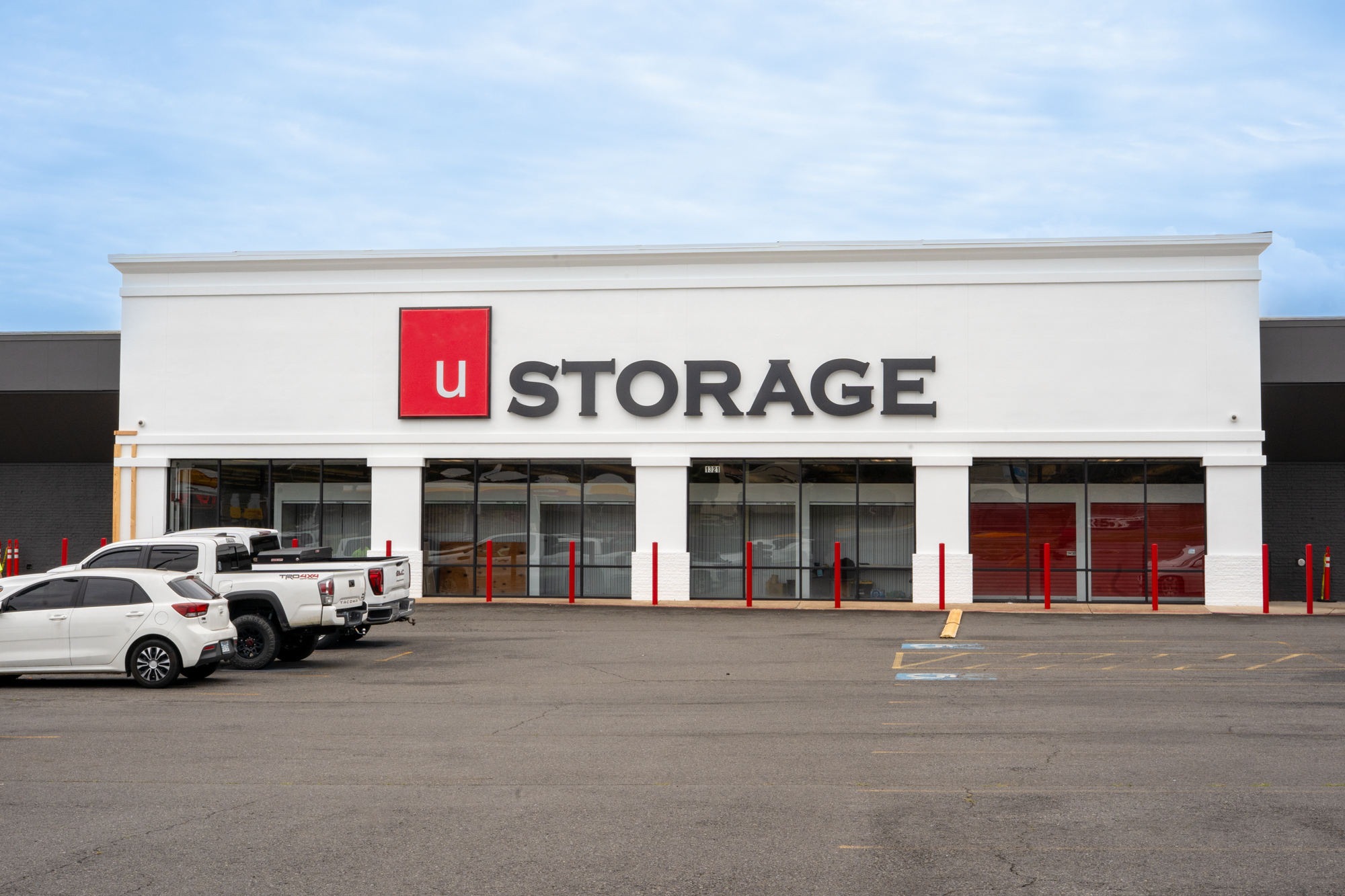
U Storage sits at 1312 Albert Pike Road, near the airport, which puts it on a familiar corridor for Hot Springs residents and the surrounding area. Think about the route you'll actually drive on move-in day and on return visits: whether it's a clean shot from your home or job, how a loaded vehicle or trailer handles the approach, and whether the location works for a lake or weekend-gear run. With 24/7 access, the practical convenience comes down to how easily you can reach the unit at the times you'll use it. A site that's a short detour from your daily route beats a cheaper one across town you'll dread visiting.
- Check the route from your home or job, not just distance
- Confirm the approach works for a loaded vehicle or trailer
- Weigh convenience for repeat visits, not only move-in day
Leave a narrow aisle when retrieval matters. A perfectly packed unit is only efficient if you never need anything until move-out.
1312 Albert Pike Road, Hot Springs, Arkansas 71913, United States
Quick summary
| Decision | What to check | Why it matters |
|---|---|---|
| Unit size | Dimensions of your three largest items plus box count | Bulky items set the real footprint; box count alone underestimates the space you need |
| Walkway | Whether you'll revisit for individual items | An aisle costs capacity but keeps back rows reachable |
| Climate control | Whether items are heat- or humidity-sensitive | Arkansas summers warp wood, damage electronics, and mildew upholstery |
| Access type | Drive-up versus indoor for your heaviest items | Drive-up shortens the carry; indoor adds temperature protection |
| Price and terms | Post-promotion rate, rate lock, and included fees | The rate you pay after month one determines true cost over a longer stay |
Storage numbers worth checking
Use these numbers as decision anchors before comparing facilities. The goal is not to guess a perfect unit — it is to compare the same details across options.
List largest items, box count, and aisle needs.
Use these as comparison anchors.
Monthly rate, promo length, required fees.
Drive-up convenience vs. indoor protection.
| Check | What to compare | Why it matters |
|---|---|---|
| 5×10 | Boxes, small bedroom, seasonal items | A small unit can save money if it truly fits |
| 10×10 | Apartment contents or household overflow | Often a safer middle option for mixed items |
| 10×20 | Multi-room moves or large equipment | More room can reduce loading frustration |
| Climate control | Sensitive vs. durable belongings | Arkansas heat and humidity change the risk |
StorageGuide verdict
Use the article as a decision filter: choose the smallest unit that comfortably fits your load, use climate control for wood, electronics, documents, photos, and fabrics, prioritize access that matches your real schedule, and compare regular rates and fees before trusting the cheapest promotion.
Storage FAQs
How do I choose a unit size without paying for empty space?
Start with your bulkiest items rather than your box count. Measure your largest three pieces, decide which can stand vertically, then match them to a standard size range. If your inventory sits at the top of one range, step up a size so packing day isn't a tight squeeze.
Do I need climate control in Hot Springs?
It depends on what you're storing. Arkansas heat and humidity can warp wood, dry leather, and mildew mattresses and upholstery, so furniture, electronics, and documents benefit from climate control. Tools, plastic bins, and outdoor gear are generally fine in a drive-up unit. U Storage on Albert Pike offers both.
What's the difference between drive-up and indoor access?
Drive-up lets you pull a vehicle to the door for the shortest carry, which suits heavy appliances and fast move-outs. Indoor units usually sit behind a building entrance and add temperature protection. Many renters keep weather-tough items drive-up and delicate items indoors.
Should I leave a walkway in my unit?
If you'll return for individual items, yes. Keep a center or side aisle, stack heavy boxes low, and line shelving along the walls. If you're storing and not touching it until move-out, you can pack more tightly.
What should I confirm about price before renting?
Look past the first-months discount to the ongoing monthly rate and what's included. U Storage on Albert Pike locks the rate for a year, charges no admin fees, and includes 24/7 access, billing for the unit, insurance, and a lock if needed. Compare units on the rate you'll pay after the promotion.
Find the right-sized unit in Hot Springs
Measure your bulkiest items, decide whether you need climate control, and compare sizes and terms before you rent. Use the storage finder to match a Hot Springs unit to what you're actually storing.