Storage Units in Bentonville, Arkansas: Local Guide
Use this size guide to compare bulky furniture, box count, walkway space, climate-control needs, drive-up access, and the questions to ask before reserving a unit.
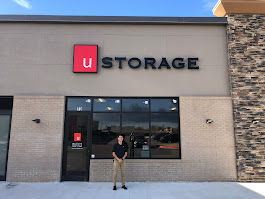
Match the unit to your bulky items first, then your boxes
Most renters in Bentonville overpay by guessing high or end up frustrated by guessing low. This guide helps you compare common unit sizes, decide whether you need climate control for Arkansas heat and humidity, weigh drive-up versus indoor access, and read past the teaser price to access hours and fees. Start by measuring your largest items, count your boxes, and leave a walkway if you plan to visit.
What matters most
Use the article as a decision filter: choose the smallest unit that comfortably fits your load, use climate control for wood, electronics, documents, photos, and fabrics, prioritize access that matches your real schedule, and compare regular rates and fees before trusting the cheapest promotion.
Start with bulky items, not box count
Boxes stack and flex around almost any layout, but a sofa, mattress, refrigerator, or dresser sets a hard minimum. Measure your two or three largest pieces with a tape before you look at any unit. A queen mattress laid flat eats a big chunk of a 5×10, and a full-size couch plus a tall fridge can crowd it fast. Once you know your bulky footprint, boxes and totes fill the gaps and go vertical against the walls.
Measure your widest item at its widest point, then add the door width to your notes. A 5×10 unit with a narrow door can stop a wide sofa cold even when the floor space technically fits.
Use common unit sizes as planning ranges
Think in ranges instead of exact square footage. A 5×5 handles a closet's worth of boxes and a few small items. A 5×10 fits a studio's overflow: a mattress, a small sofa, and a wall of boxes. A 10×10 covers a one-bedroom with appliances and shelving. A 10×15 or 10×20 starts handling multi-bedroom moves with furniture and large items. These are planning brackets, not promises, so picture your stuff inside each one.
- 5×5: closet contents, seasonal boxes, a few small items
- 5×10: studio overflow, mattress, small sofa, boxes
- 10×10: one-bedroom with appliances and shelving
- 10×15 to 10×20: multi-bedroom moves and large furniture
If your inventory sits right between two sizes, sketch the larger items on graph paper before deciding. It's cheaper than renting twice when the smaller unit won't close its door.
Leave walkway space if you'll visit
A unit packed wall to wall is fine if you load it once and leave it for a year. But if you'll pull out holiday decorations, swap seasonal clothes, or grab tools every few weeks, you need a path. Plan a walkway down the center or along one side so you can reach the back without unloading the front. That walkway is usable space you're choosing to leave open, so factor it in when you pick a size.
Store items you'll need often near the door and label box ends, not tops, so you can read them from the walkway without lifting anything.
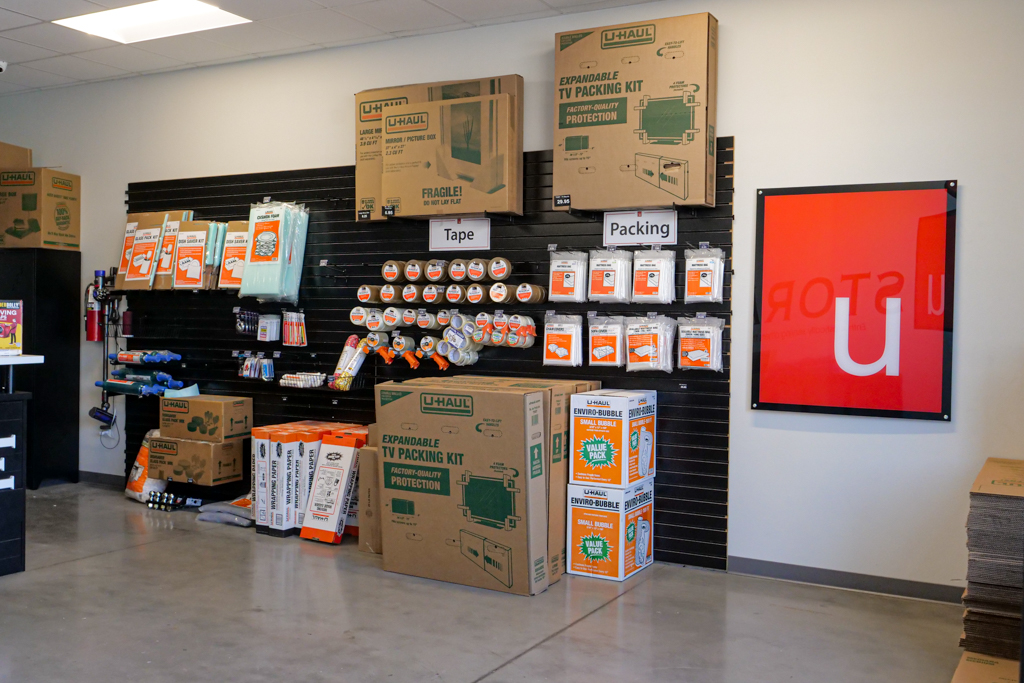
Compare the next size up before forcing a tight fit
When your items barely fit, the next size up is often a small monthly difference for a lot more usable room. A jammed unit means you stack heavy boxes on furniture, lean a mattress against drywall, and can't rearrange. Price out the larger size before you commit to a tight squeeze. Sometimes the bigger unit is worth it; sometimes it isn't, but you should see the real gap, not assume it.
Ask what the larger unit actually costs per month, not just the promotional rate. A few dollars more for breathing room beats damaging a sofa to save it.
Climate control, access type, and the real price
Arkansas summers bring sustained heat and humidity that can warp wood, mildew upholstery, and damage electronics, photos, and instruments. If you're storing anything sensitive, climate control earns its cost. Drive-up units make loading heavy appliances easy; indoor units add a layer of protection and steadier temperature. On price, the advertised rate is rarely the full story, so confirm the monthly total, any admin or insurance fees, and the access hours before you sign.
- Climate control: wood, upholstery, electronics, photos, instruments
- Drive-up: easiest for heavy appliances and frequent loading
- Indoor: steadier temperature and added protection
- Always confirm: monthly total, fees, and access hours
Ask whether access hours are 24/7 or gated to office hours. If you work odd shifts or are mid-move, limited gate hours can derail your plan more than a slightly higher rate.
3400 Southwest Regional Airport Boulevard, Bentonville, Arkansas 72713, United States
Quick summary
| Decision | What to check | Why it matters |
|---|---|---|
| Unit size | Footprint of your largest items plus a walkway | Bulky pieces set the floor; boxes fill the rest |
| Climate control | Whether items are heat- or humidity-sensitive | Arkansas summers can warp, mildew, or damage belongings |
| Access type | Drive-up vs indoor for your load weight and visits | Affects loading effort and protection |
| Access hours | 24/7 vs gated office hours | Determines when you can actually get in |
| Price | Full monthly total and fees, not the teaser | The advertised rate rarely reflects what you pay |
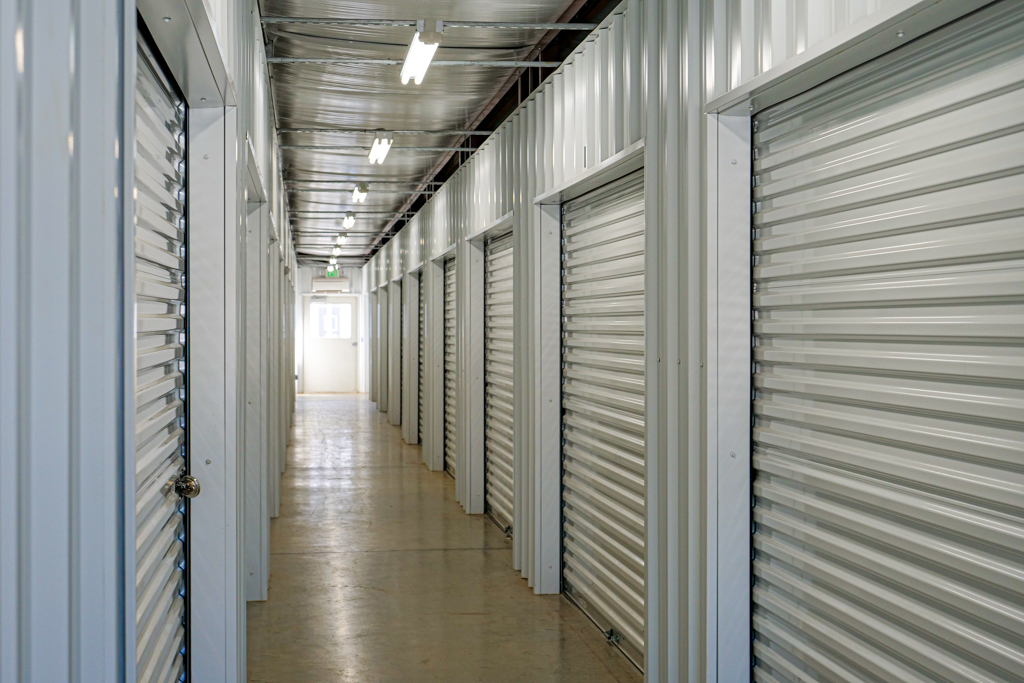
Storage numbers worth checking
Use these numbers as decision anchors before comparing facilities. The goal is not to guess a perfect unit — it is to compare the same details across options.
List largest items, box count, and aisle needs.
Use these as comparison anchors.
Monthly rate, promo length, required fees.
Drive-up convenience vs. indoor protection.
| Check | What to compare | Why it matters |
|---|---|---|
| 5×10 | Boxes, small bedroom, seasonal items | A small unit can save money if it truly fits |
| 10×10 | Apartment contents or household overflow | Often a safer middle option for mixed items |
| 10×20 | Multi-room moves or large equipment | More room can reduce loading frustration |
| Climate control | Sensitive vs. durable belongings | Arkansas heat and humidity change the risk |
StorageGuide verdict
Use the article as a decision filter: choose the smallest unit that comfortably fits your load, use climate control for wood, electronics, documents, photos, and fabrics, prioritize access that matches your real schedule, and compare regular rates and fees before trusting the cheapest promotion.
Storage FAQs
What size unit do I need for a one-bedroom apartment?
A 10×10 typically handles a one-bedroom with appliances and shelving. If you have a lot of large furniture or want a walkway, compare a 10×15 before committing.
Do I really need climate control in Bentonville?
If you're storing wood furniture, upholstery, electronics, photos, or instruments through the summer, yes. Arkansas heat and humidity are the main risk to sensitive items. For tools, plastic totes, and outdoor gear, standard units are usually fine.
Should I get drive-up or indoor access?
Drive-up is easier for loading heavy appliances and works well if you visit often. Indoor units offer steadier temperatures and extra protection. Match it to your load weight and how sensitive your items are.
How do I avoid paying for space I won't use?
Measure your largest items, picture them inside each common size, and rent the smallest unit that fits comfortably with a walkway. Don't round up just to be safe, but don't cram either.
Is the advertised price the real monthly cost?
Often not. Promotional rates can exclude admin fees, required insurance, or expire after a few months. Ask for the full ongoing monthly total before you sign.
Find the right size in Bentonville
Compare unit sizes, climate control, and access in your area before you rent so you pay for the space you actually use.