Storage Units in Benton, Arkansas: Local Guide
Use this size guide to compare bulky furniture, box count, walkway space, climate-control needs, drive-up access, and the questions to ask before reserving a unit.
How to pick a unit size in Benton without paying for empty space
The most common mistake Benton renters make is counting boxes first and guessing the rest. Boxes stack; a sofa, a mattress, and a refrigerator do not. This guide walks you through sizing a unit around your largest, most awkward items, then filling in with boxes and leaving a walkway if you plan to visit. It also covers the decisions that ride alongside size: whether you need climate control for Arkansas heat and humidity, whether drive-up or indoor access fits how you'll load, what to check on price and fees, and the access hours and questions worth confirming before you rent.
What matters most
Use the article as a decision filter: choose the smallest unit that comfortably fits your load, use climate control for wood, electronics, documents, photos, and fabrics, prioritize access that matches your real schedule, and compare regular rates and fees before trusting the cheapest promotion.
Start with bulky items, not the box count
Boxes are forgiving because they stack into any leftover space. Your furniture and appliances are not. Before you look at any unit, list the items that can't be squished: the mattress, the sofa, the refrigerator or washer, the dresser, and any shelving that won't come apart. Those pieces set the floor space you actually need, and boxes fill in around them. A 10×10 might look roomy on paper, but a sectional sofa plus a queen mattress standing on edge eats most of one wall fast.
- Mattresses store best standing on edge, not flat under a stack
- Empty and defrost appliances so they don't trap moisture or odor
- Break down bed frames and shelving to reclaim wall space
Measure your single longest item with a tape before you shop — usually a sofa or a mattress. If it's over about seven feet, confirm the unit's shortest wall clears it, because a unit that's technically the right square footage can still be too narrow to lay that piece down.
Use common unit sizes as planning ranges
Don't treat unit sizes as exact promises — treat them as ranges. A 5×5 or 5×10 is the studio-closet range: seasonal gear, boxes, a few small items, maybe a mattress on edge. A 10×10 lands in the one-bedroom range: a bedroom set plus a sofa and a stack of boxes. A 10×15 or 10×20 moves into multi-room and whole-home territory with major appliances. Benton U Storage offers sizes from closet-sized units up to spaces that hold the contents of a home, so match your list to the range rather than to a single label.
- 5×5 / 5×10: closet and seasonal overflow
- 10×10: roughly a furnished one-bedroom
- 10×15 / 10×20: multi-room to whole-home with appliances
Sketch your unit floor as a rectangle and place your biggest items on it before you rent. If two large pieces have to overlap on your sketch, you've sized down too far — move up one range.
Decide whether your items need climate control
Benton summers bring real heat and humidity, and a metal unit that isn't climate-controlled swings with the weather outside. That's fine for tools, patio furniture, or plastic bins of hardy items. It's harder on the things people most often store: wood furniture can crack or warp, upholstered sofas and mattresses can trap moisture and mildew, and electronics don't love repeated heat cycling. Benton U Storage offers both climate-controlled and drive-up units, so the question isn't whether it's available — it's whether your specific list justifies it.
- Good in a drive-up unit: tools, garden gear, sealed bins
- Better in climate control: mattresses, sofas, wood, electronics, documents
- Humidity, not just heat, is what damages soft goods
Sort your inventory into two piles: 'would I be upset if this warped, faded, or smelled musty?' If more than a couple of items land in that pile, climate control is worth it for the whole unit rather than trying to protect a few pieces in a hot space.
Drive-up or indoor: match access to how you'll load
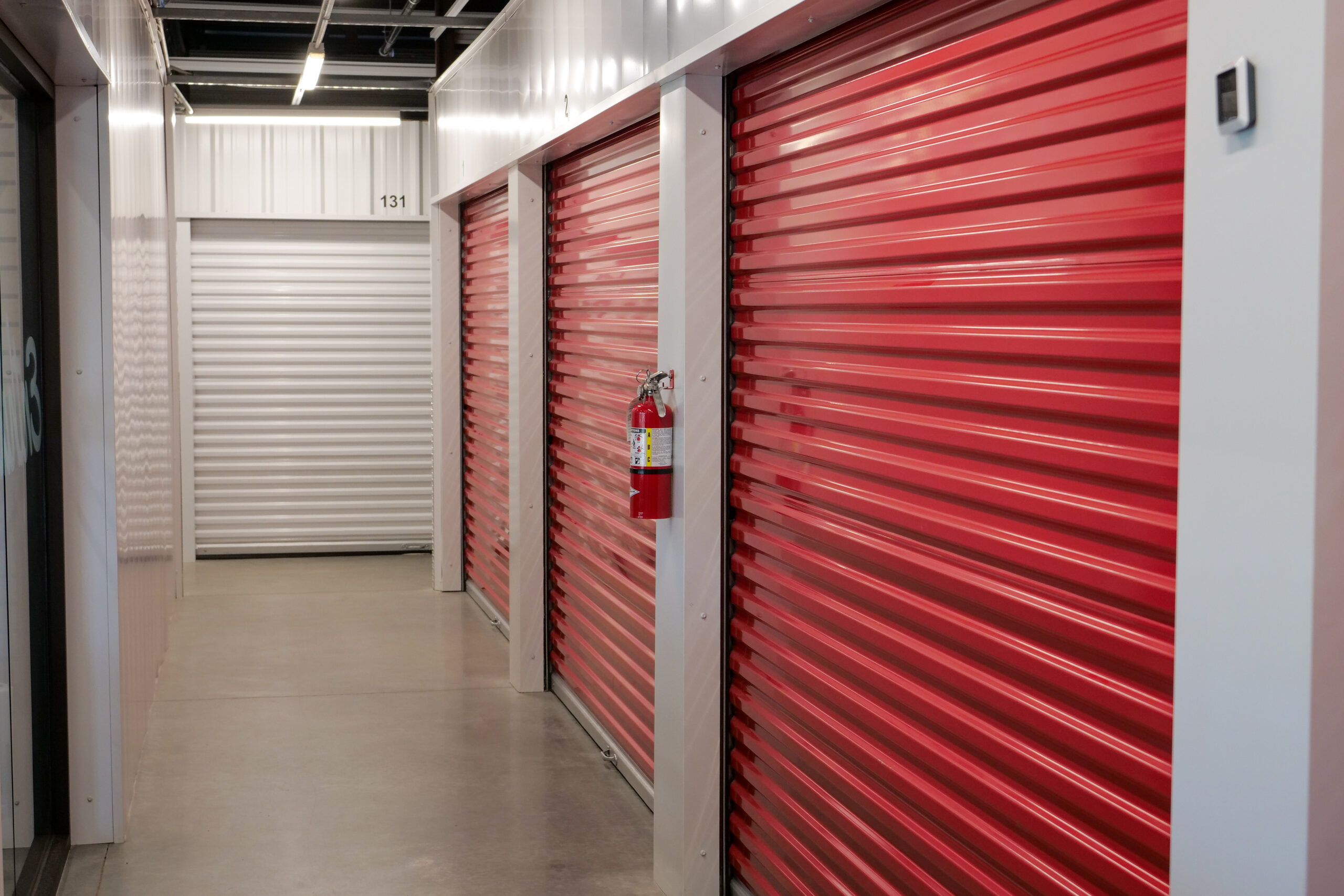
Drive-up units let you pull a vehicle or truck right to the door, which is the easy button for heavy, awkward loads like appliances, a sofa, or a mattress you don't want to carry far. Indoor climate-controlled units trade that curbside convenience for a stable environment. Think about the day you load and the days you visit: if you're moving a whole apartment in one trip, drive-up saves your back; if you're storing sensitive belongings you'll rarely touch, the walk indoors is a fair trade. Benton U Storage offers both, plus a moving dolly and truck rentals onsite to bridge the gap.
- Drive-up: fastest for appliances and one-trip moves
- Indoor: stable climate for sensitive items
- A dolly turns a two-person carry into a one-person job
If you'll load heavy furniture once and then rarely return, drive-up wins on that single hard day. If you expect frequent short visits for a few items, weigh the indoor unit's stable climate against the extra steps — the right answer depends on visit frequency, not just move-in day.
Leave a walkway if you'll visit the unit
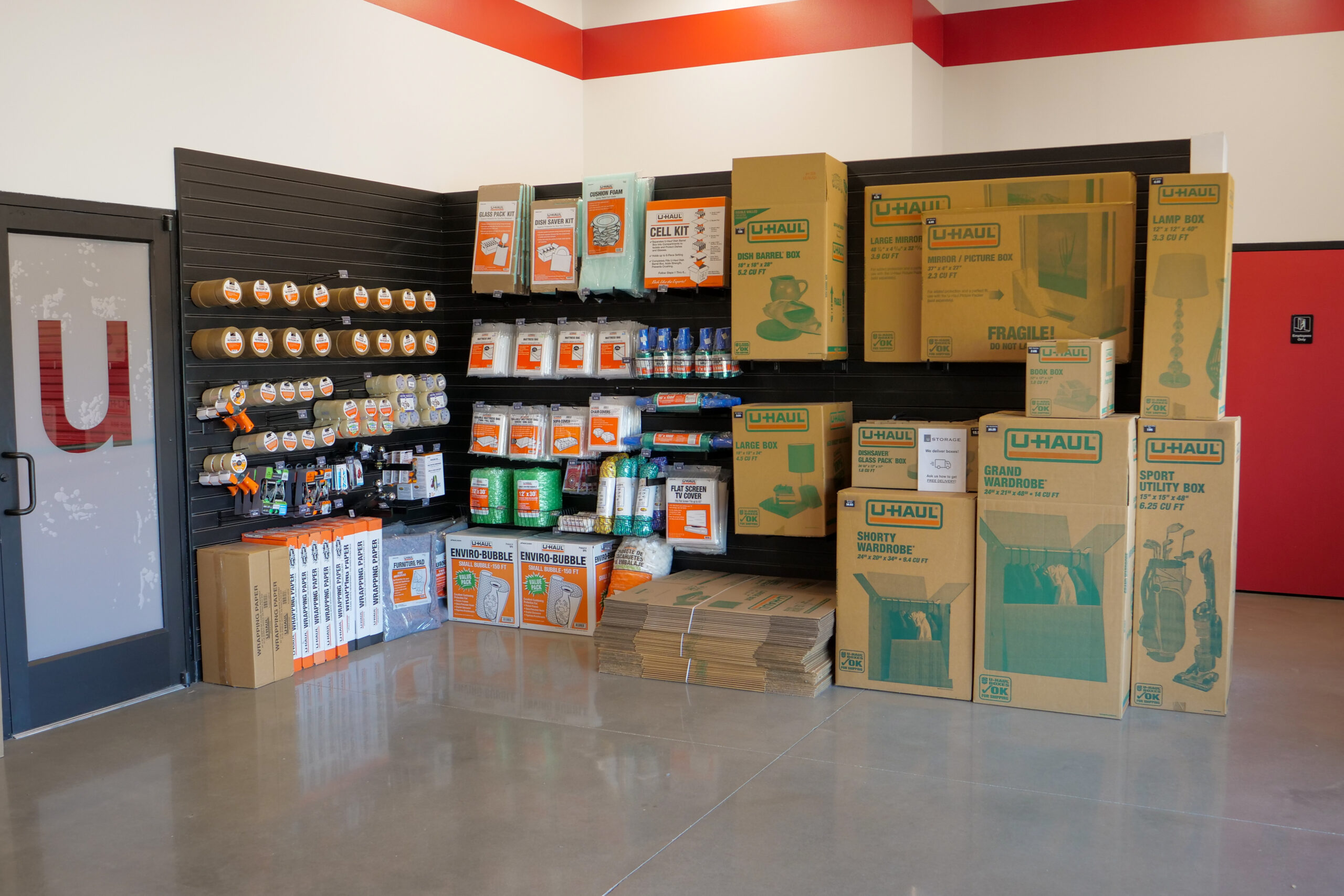
A unit packed wall to wall is cheapest per square foot and most annoying to use. If you'll come back for holiday decorations, a specific box, or a tool, you need an aisle to reach the back without unloading the front onto the pavement. The fix is to size up just enough to keep a walking lane, and to load with visits in mind: shelving along the walls, frequently-needed items near the door, and long-term storage packed deep. This is where 'the smallest unit that fits' quietly means 'the smallest unit that fits plus a path.'
- Shelving along walls keeps the center walkable
- Label boxes on the side facing the aisle, not the top
- Keep a 'need often' zone near the door
Put a strip of tape on your floor sketch marking a two-foot aisle before you place items. If your belongings only fit by erasing that lane, rent the next size up — the difference in monthly cost is usually less than the time you'll waste digging.
Compare the next size up before forcing a tight fit
When your list is right between two sizes, don't automatically pick the smaller one to save money. A unit you can barely close means stacking heavy items on soft ones, no walkway, and re-packing every visit. Price the next size up and weigh the monthly difference against how you'll actually live with the space over the length of your rental. On the pricing side, Benton U Storage locks your rate for a full year and doesn't charge admin fees or extra for 24/7 access, so what you're comparing is genuinely the unit — not a promo that resets in month two.
- Compare full-term cost, not the intro month
- A tight fit costs you time on every visit
- Ask what the rate is after any promotion ends
Estimate your total cost over the months you expect to rent, not the first-month price. A slightly larger unit with a stable, year-locked rate often beats a cramped one you have to fight with every time you open the door.
Is this side of Benton convenient for your move?
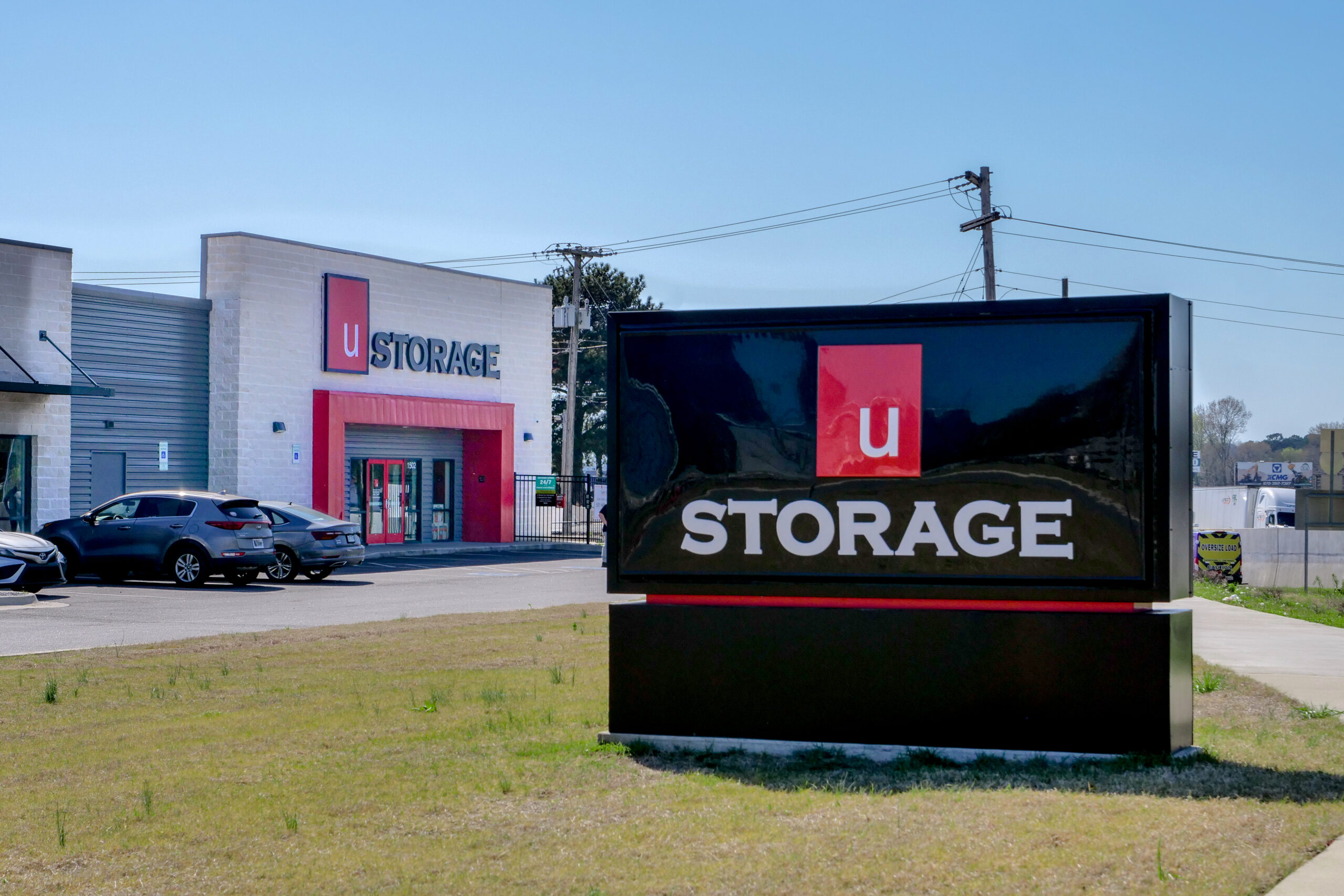
Benton U Storage sits at 1502 W South St and serves Benton, Bryant, and the surrounding area, which matters more than it sounds when you're hauling furniture. The shorter and simpler the route from your home to the unit, the more likely you are to make more trips and pack the space well instead of cramming everything into one exhausting haul. Office hours run Monday through Friday 8 a.m. to 5:30 p.m. and Saturday 8 a.m. to 4 p.m., but customer access is 24/7 — so if you're loading after work or on a Sunday, you can still get in.
- Convenient for Benton and Bryant residents
- Office open six days a week for questions and supplies
- After-hours and Sunday access available to customers
Do a quick drive from your home to the facility before move day and note the turn-in and gate approach with a loaded truck in mind. If the route is easy, plan two smaller trips instead of one packed one — it makes stacking and walkway planning far simpler.
1502 West South Street, Benton, Arkansas 72015, United States
Quick summary
| Decision | What to check | Why it matters |
|---|---|---|
| Unit size | Fit of your 3–5 largest items plus a walkway | Bulky items set the size; boxes fill the gaps, not the other way around |
| Climate control | How many items would be ruined by heat or humidity | Benton summers are hard on wood, upholstery, and electronics |
| Access type | Drive-up vs indoor against how often you'll visit | Drive-up eases heavy loads; indoor protects sensitive goods |
| Walkway | Whether you can reach the back without unloading | A path saves time on every return trip |
| Price and terms | Full-term cost, rate lock, and any post-promo rate | A locked, fee-free rate beats a promo that resets |
| Access hours | Whether 24/7 access fits your loading schedule | After-work and Sunday loading needs off-hours entry |
Storage numbers worth checking
Use these numbers as decision anchors before comparing facilities. The goal is not to guess a perfect unit — it is to compare the same details across options.
List largest items, box count, and aisle needs.
Use these as comparison anchors.
Monthly rate, promo length, required fees.
Drive-up convenience vs. indoor protection.
| Check | What to compare | Why it matters |
|---|---|---|
| 5×10 | Boxes, small bedroom, seasonal items | A small unit can save money if it truly fits |
| 10×10 | Apartment contents or household overflow | Often a safer middle option for mixed items |
| 10×20 | Multi-room moves or large equipment | More room can reduce loading frustration |
| Climate control | Sensitive vs. durable belongings | Arkansas heat and humidity change the risk |
StorageGuide verdict
Use the article as a decision filter: choose the smallest unit that comfortably fits your load, use climate control for wood, electronics, documents, photos, and fabrics, prioritize access that matches your real schedule, and compare regular rates and fees before trusting the cheapest promotion.
Storage FAQs
How do I choose a unit size without paying for space I won't use?
Start with your largest, least-flexible items — the sofa, mattress, and appliances — and size the unit around those, then fill in with boxes. Sketch the floor as a rectangle and place the big pieces on it. If they only fit by overlapping or erasing your walkway, move up one size range.
Do I really need climate control in Benton?
It depends on what you're storing. Benton's summer heat and humidity are hard on wood furniture, mattresses, upholstery, and electronics, so those belong in climate control. Tools, garden gear, and sealed bins of hardy items generally do fine in a drive-up unit. Benton U Storage offers both types.
What's the difference between drive-up and indoor units here?
Drive-up units let you pull right up to the door, which is easiest for heavy appliances and one-trip moves. Indoor climate-controlled units trade curbside convenience for a stable environment that protects sensitive items. If you'll visit often for a few things, weigh the extra steps; if you'll load once and rarely return, drive-up saves your back.
Can I get to my unit after office hours?
Yes. Benton U Storage offers 24/7 customer access at no extra charge, so you can load after work or on a Sunday even though the office is closed. Office hours are Monday–Friday 8 a.m.–5:30 p.m. and Saturday 8 a.m.–4 p.m.
How is the pricing structured?
Benton U Storage locks your rate for a full year and doesn't charge admin fees or extra for 24/7 access. Charges are for your unit, insurance, and a lock if you need one. When comparing sizes, look at full-term cost rather than just a first-month promotion.
Size it right before you rent in Benton
Measure your biggest items, decide on climate control and access, then compare units. Use the finder to see options that fit your list without paying for empty space.