Storage Units in Jonesboro, Arkansas: Local Guide
Use this size guide to compare bulky furniture, box count, walkway space, climate-control needs, drive-up access, and the questions to ask before reserving a unit.
How to right-size a Jonesboro storage unit around your biggest items — not just your box count
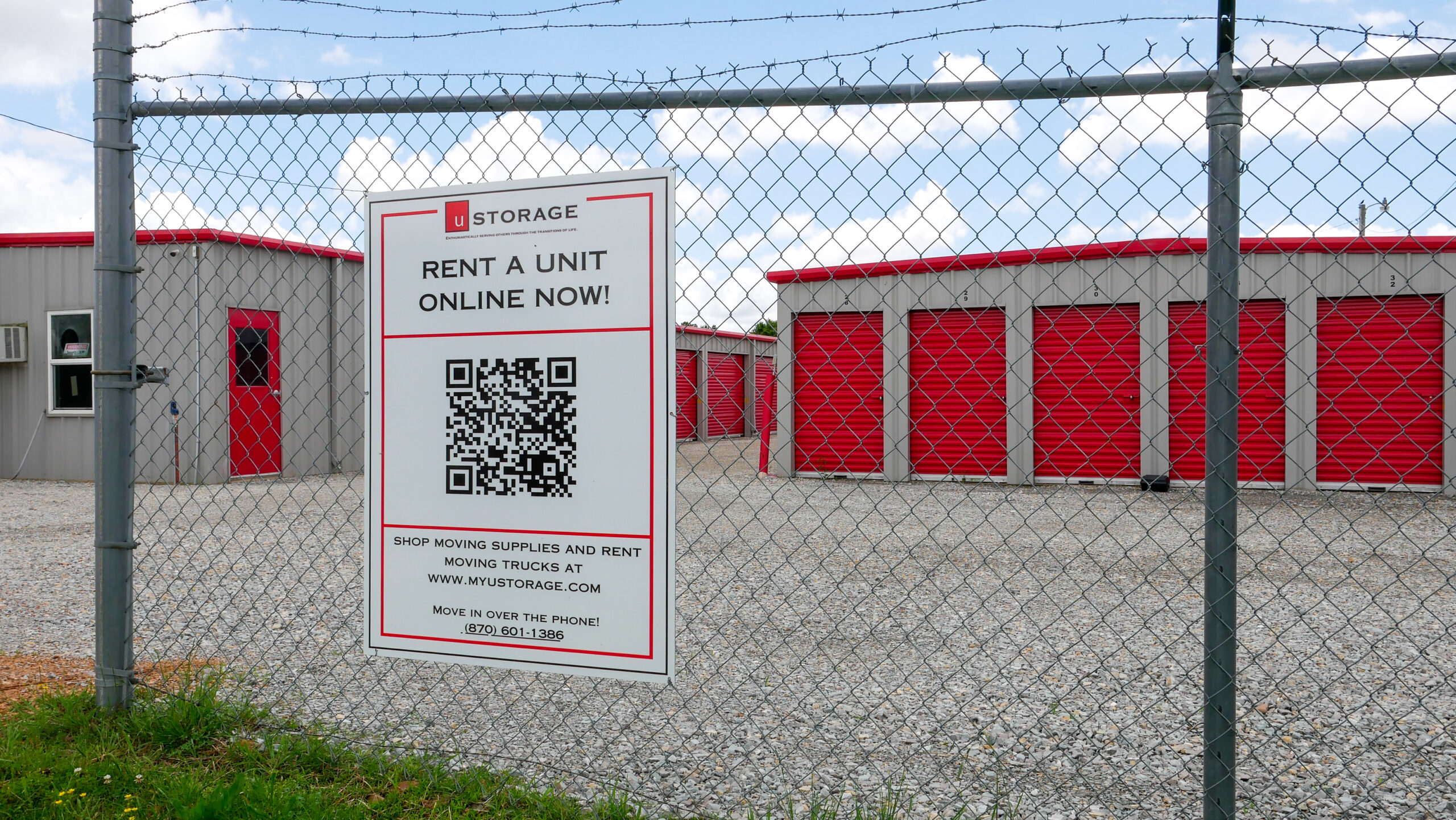
Most people overpay by guessing at unit size. The fix is to start with your largest, most awkward items — the sofa, the mattress, the fridge — and build the unit around those. On Hwy 18, U Storage offers both drive-up and climate-controlled units in a range of sizes, with 24/7 access and a one-year rate lock, so the real decision is fit and access, not chasing the lowest sticker.
What matters most
Use the article as a decision filter: choose the smallest unit that comfortably fits your load, use climate control for wood, electronics, documents, photos, and fabrics, prioritize access that matches your real schedule, and compare regular rates and fees before trusting the cheapest promotion.
Measure your biggest items before you count boxes
Box count tells you how full a unit gets; big furniture tells you whether your stuff physically fits at all. Before you reserve anything, put a tape measure on the pieces that don't flex: the sofa, the mattress and box spring, the refrigerator or washer, a dining table, and any tall shelving. A queen mattress and a three-seat sofa alone will dictate whether a 5×10 is realistic or whether you need to step up. Once the large items have a home, boxes fill the gaps around and on top of them.
- Sofa, mattress set, and major appliances are your non-negotiable footprint
- Tall shelving and headboards decide whether you can stack
- Boxes are flexible filler — size for the furniture first
Stand your sofa on end and store a mattress vertically against a wall — vertical placement of two or three bulky pieces can save a whole size tier, as long as the unit ceiling is tall enough to allow it.
Use common unit sizes as ballpark ranges, not exact fits
Standard sizes give you a working range rather than a guarantee. A 5×5 handles a closet or a dorm's worth of boxes and a chair. A 5×10 covers a studio or a one-bedroom's furniture with careful stacking. A 10×10 comfortably takes a one- to two-bedroom apartment, and a 10×15 or 10×20 starts to hold a house, appliances, and a garage's overflow. U Storage on Hwy 18 offers sizes from small closet-style units up to spaces that hold the contents of a home, so match the range to your furniture list rather than to a room count you're eyeballing.
- 5×5: closet, seasonal gear, a dorm move-out
- 5×10: studio or a single room of furniture
- 10×10: one- to two-bedroom apartment
- 10×15–10×20: house contents, appliances, garage overflow
If your list straddles two sizes, note which items you'd remove to fit the smaller unit. If that list is short and easy to part with, size down; if it means leaving essentials in the driveway, size up.
When Jonesboro heat and humidity make climate control worth it
Northeast Arkansas summers run hot and sticky, and a closed metal unit can swing well past outdoor temperatures during the day. Heat warps wood and vinyl records, humidity fuels mildew on upholstery and mattresses, and temperature cycling is hard on electronics and anything with adhesive or leather. For a short-term move in mild weather, a drive-up unit is fine. For anything you'd be upset to find damaged after a summer — solid-wood furniture, a mattress, a TV, photos, instruments — the climate-controlled option on Hwy 18 protects the items whose replacement cost dwarfs the price difference.
- Drive-up is fine for tools, patio furniture, and short mild-weather stints
- Climate control suits wood, electronics, photos, and anything upholstered
- Sealed plastic bins beat cardboard for humidity resistance either way
Sort your inventory into two piles as you pack: 'wouldn't care if it got warm' and 'would replace if it molded.' If the second pile is more than a couple of boxes, put the whole load in climate control rather than splitting units.
Drive-up vs. indoor: match access to how you'll load
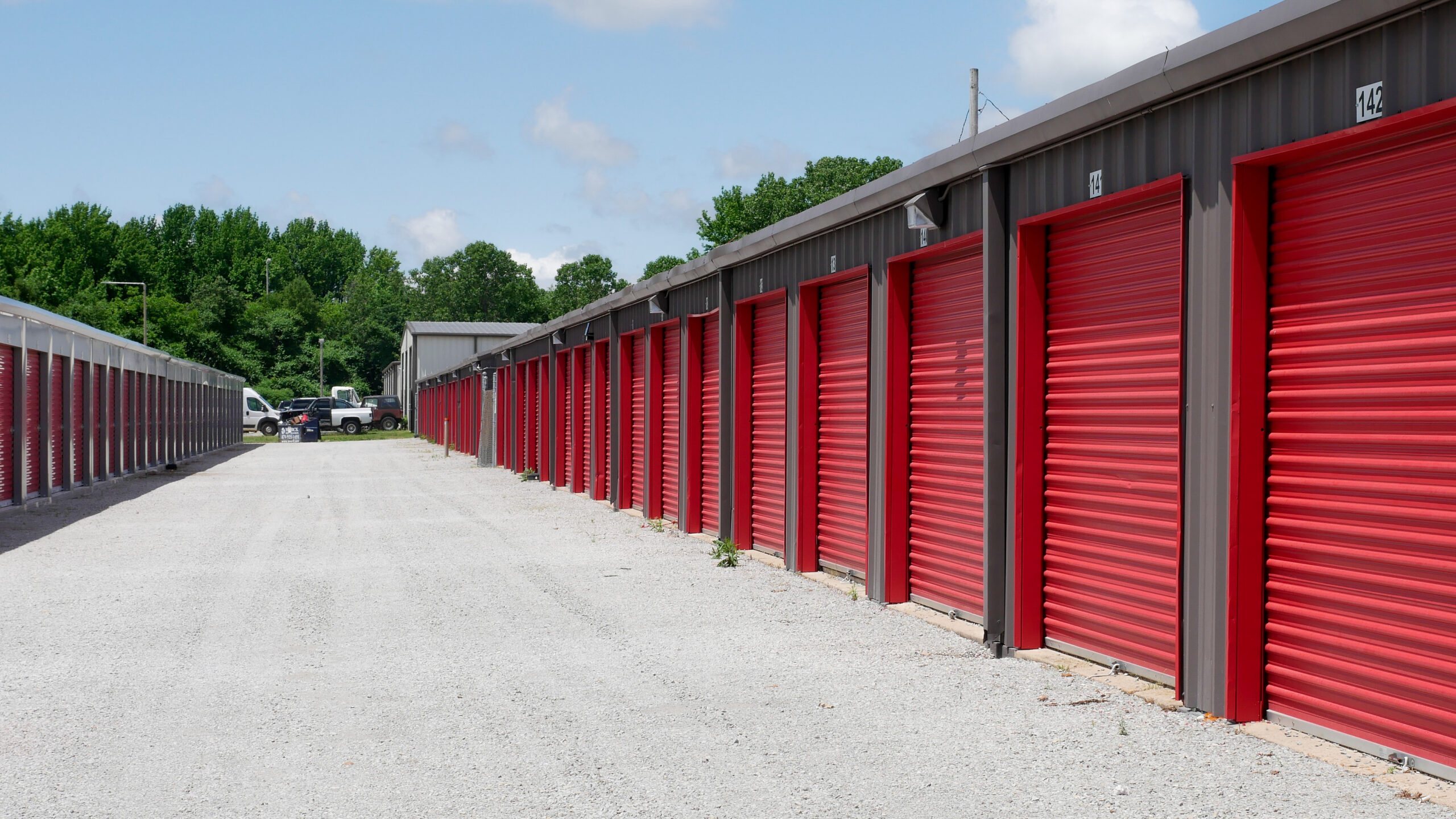
The two access styles solve different problems. Drive-up units let you back a truck or car right to the door, which is a real back-saver for appliances, a loaded sofa, or anything you'll move in and out often. Indoor climate-controlled units trade that door-to-bumper convenience for a stable environment, so you carry items a bit farther but keep them protected. If you're storing heavy pieces once and rarely returning, drive-up wins on effort. If your priority is protecting sensitive belongings through the season, the short indoor carry is worth it. The Hwy 18 location offers both, plus a moving dolly on-site to bridge the distance.
- Drive-up: appliances, frequent access, one-and-done heavy moves
- Indoor climate control: sensitive items, longer-term storage
- A dolly closes most of the gap on the indoor carry
Renting climate-controlled but hate the carry? Ask for a unit near the entrance or a loading door when you reserve — a few feet of proximity matters far more than a slightly larger unit deeper in the building.
Read the whole price, not just the promo
The cheapest headline number isn't always the cheapest unit once fees are added. What matters is what you actually pay each month and whether that rate holds. On Hwy 18, U Storage locks your rate for a full year and doesn't charge admin fees or extra for 24/7 access — the bill is your unit, insurance, and a lock if you need one. That predictability is worth more over a six- or twelve-month stay than a one-month discount that resets to a higher rate. Do the math on the full term you expect to store, not just move-in day.
- No admin fees and no surcharge for 24/7 access
- Budget for unit + insurance + optional lock
- Compare full-term totals, not just the first-month promo
Before you commit, multiply the ongoing monthly rate by the number of months you realistically expect to stay, then add insurance. Compare that total across sizes — a promo on a too-big unit can still cost more than the right-sized unit at full price.
Does the Hwy 18 side of town work for your route?
Location matters most for how often you'll actually visit. The Hwy 18 E facility sits on a main Jonesboro corridor, which makes it a straightforward stop if you're moving from the east side of town, hauling from a nearby apartment, or routing a rental truck through the city. Reservations and the office are handled on Neil Dr., but access to the unit itself is 24/7 — useful if your move happens after work or on a Sunday when the office is closed. Think about the trip you'll repeat, not just the one-time move-in: a facility on your normal driving path gets visited; one across town gets avoided.
- On a main Jonesboro corridor for easy truck routing
- 24/7 unit access covers after-work and Sunday visits
- Office and reservations handled on Neil Dr.
If you'll return regularly, time a practice drive from home or work during the hour you'd normally go. A five-minute detour is livable; a twenty-minute one is why people abandon half-empty units.
6004 Highway 18 E, Jonesboro, Arkansas 72401, United States
Leave a walkway if you'll visit — and ask the right questions
A unit packed wall to wall is efficient until you need the one box at the back. If you'll return during your stay, plan a narrow aisle down the middle and keep frequently needed items near the door. That planning aisle is another reason to compare the next size up: the difference between a cramped 10×10 and a workable 10×15 is often the room to actually reach your things. Before you sign, confirm the unit dimensions against your measured items, whether climate control is available in the size you want, and exactly what the monthly bill includes.
- Keep a narrow aisle and put frequent items near the door
- Confirm dimensions against your measured furniture
- Verify climate control availability in your chosen size
Label the two or three boxes you're most likely to need and stack them just inside the door on top, not buried. Future-you will not want to unpack the whole unit to find the winter coats or the paperwork.
Quick summary
| Decision | What to check | Why it matters |
|---|---|---|
| Unit size | Dimensions vs. your biggest measured items | Furniture, not box count, decides whether your load fits |
| Climate control | Whether sensitive items are in the load | Arkansas heat and humidity damage wood, electronics, and upholstery |
| Access style | Drive-up vs. indoor for how you'll load | Truck-to-door saves effort; indoor protects sensitive items |
| Pricing | Full-term cost including insurance and rate lock | A promo on the wrong size can cost more than the right unit |
| Walkway | Room for a center aisle if you'll visit | Access to the back is worth the next size up |
Storage numbers worth checking
Use these numbers as decision anchors before comparing facilities. The goal is not to guess a perfect unit — it is to compare the same details across options.
List largest items, box count, and aisle needs.
Use these as comparison anchors.
Monthly rate, promo length, required fees.
Drive-up convenience vs. indoor protection.
| Check | What to compare | Why it matters |
|---|---|---|
| 5×10 | Boxes, small bedroom, seasonal items | A small unit can save money if it truly fits |
| 10×10 | Apartment contents or household overflow | Often a safer middle option for mixed items |
| 10×20 | Multi-room moves or large equipment | More room can reduce loading frustration |
| Climate control | Sensitive vs. durable belongings | Arkansas heat and humidity change the risk |
StorageGuide verdict
Use the article as a decision filter: choose the smallest unit that comfortably fits your load, use climate control for wood, electronics, documents, photos, and fabrics, prioritize access that matches your real schedule, and compare regular rates and fees before trusting the cheapest promotion.
Storage FAQs
What size storage unit do I need for a one-bedroom apartment in Jonesboro?
A 10×10 is a common comfortable fit for a one- to two-bedroom load, but size around your actual furniture. Measure the sofa, mattress, and any appliances first — if those pieces are large or you want a walkway to reach the back, compare the next size up before forcing a tight fit.
Is climate control worth it in Jonesboro?
For anything sensitive to heat or humidity — solid wood, electronics, photos, mattresses, instruments — yes. Northeast Arkansas summers are hot and humid, and a closed drive-up unit heats up during the day. For tools, patio furniture, or short mild-weather storage, a standard drive-up unit is usually fine.
Should I choose drive-up or indoor storage?
Choose drive-up if you're moving heavy furniture or appliances or will access the unit often, since you can pull a truck right to the door. Choose indoor climate-controlled if protecting sensitive belongings matters more than the shortest carry. The Hwy 18 location offers both, plus an on-site dolly.
Can I access my unit anytime?
Yes — the Hwy 18 E location offers free 24/7 access to your unit. Office hours and reservations are handled on Neil Dr., with the office closed on Sundays, but that doesn't affect your ability to reach your belongings after hours.
How do I avoid paying for space I won't use?
Build the unit around your largest items, store bulky pieces vertically where the ceiling allows, and only step up a size if downsizing would mean leaving essentials behind. Then compare full-term cost rather than the first-month promo, since the right-sized unit at full price often beats a discount on a too-big one.
Find the right-sized Jonesboro unit
Measure your biggest items, then compare drive-up and climate-controlled options on Hwy 18 with 24/7 access and a one-year rate lock. Reserve online or start with the size finder.