Storage Units in Searcy, Arkansas: Local Guide
Use this size guide to compare bulky furniture, box count, walkway space, climate-control needs, drive-up access, and the questions to ask before reserving a unit.
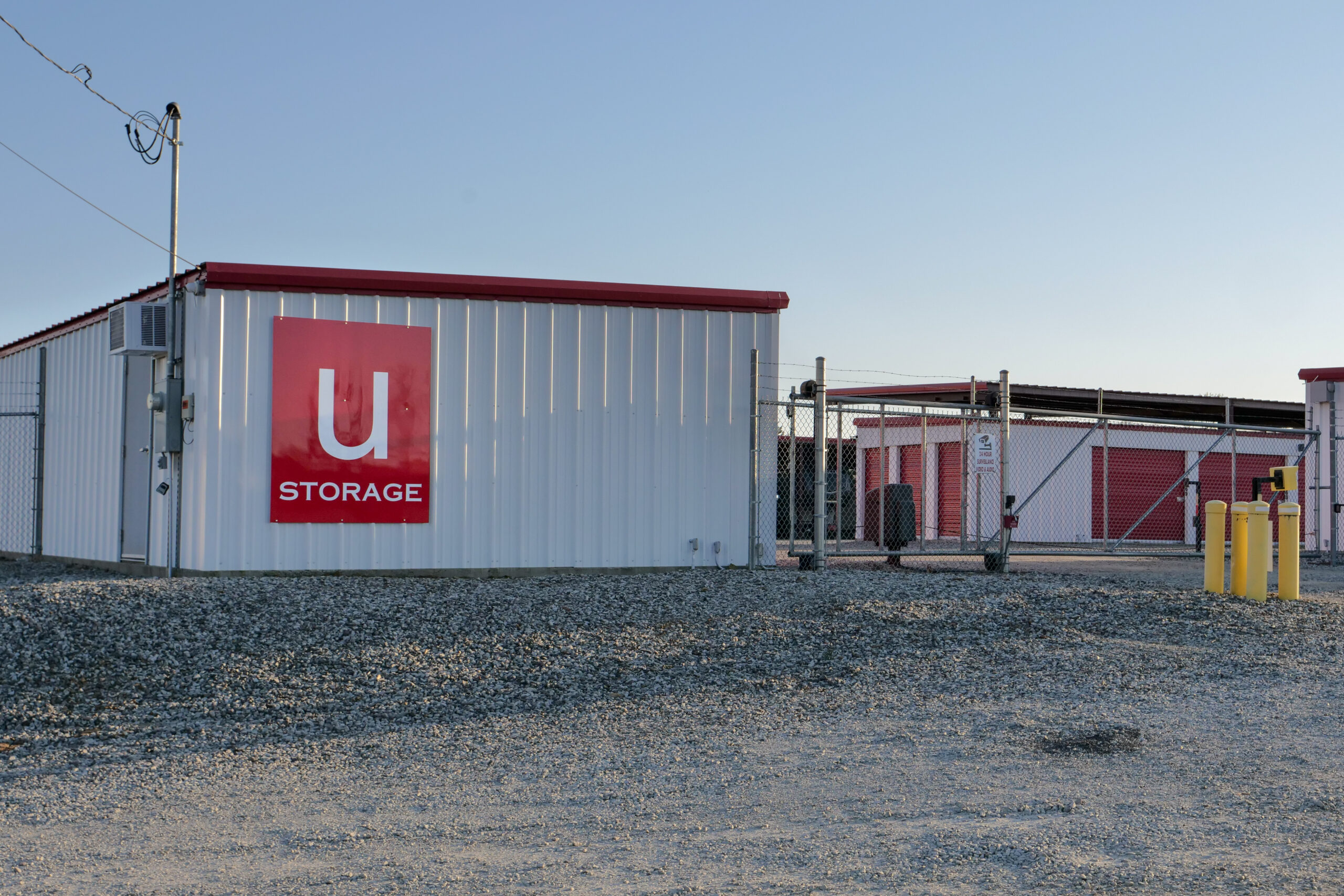
How to right-size a Searcy storage unit by starting with your bulky items, not your box count
Most people over-rent because they guess. This guide flips the order: measure your biggest items first, then add boxes and walkway room, then compare unit sizes as ranges rather than exact fits. Along the way we cover when climate control is worth it in Arkansas heat, why drive-up access changes how you load, how to read pricing and access hours, and what to confirm before you sign. Searcy U Storage on AR-36 offers drive-up units, 24/7 access, and a one-year rate lock, which shapes the size and access decisions below.
What matters most
Use the article as a decision filter: choose the smallest unit that comfortably fits your load, use climate control for wood, electronics, documents, photos, and fabrics, prioritize access that matches your real schedule, and compare regular rates and fees before trusting the cheapest promotion.
Measure the big stuff before you count a single box
Boxes are flexible; a queen mattress, a three-seat sofa, and a refrigerator are not. Those anchor items decide your footprint, so measure them first with a tape and write down length, width, and height. A sofa can be stood on end to reclaim floor space, but appliances usually can't. Once you know how much floor your rigid, unstackable items eat up, box count becomes a rounding exercise instead of a guess.
Stand your mattress and sofa upright against a wall before measuring — if they can safely stand, plan the unit around their vertical footprint, which often drops you a size.
Treat common unit sizes as ranges, not exact fits
A 5×10 roughly holds a studio or the overflow of a one-bedroom — a mattress set, a small sofa, and a stack of boxes. A 10×10 absorbs most of a one- to two-bedroom apartment. A 10×15 or 10×20 starts handling a full house with appliances and larger furniture. These are planning ranges, not promises: a room full of dense boxes fills space faster than the same room of light, bulky furniture. Use the range to narrow to two candidates, then test the tighter one against your actual anchor items.
- 5×10 — studio or one-bedroom overflow
- 10×10 — most one- to two-bedroom apartments
- 10×15 to 10×20 — full house with appliances
If you're between two sizes, sketch your unit's floor as a rectangle on paper and drop in your measured items to scale — it exposes a bad fit before you're standing in the doorway with a loaded truck.
Leave a walkway if you'll visit the unit
A unit packed wall-to-wall looks efficient until you need the winter clothes buried in back. If you'll access the unit even a few times, leave a center aisle you can walk down and shelve boxes along the sides so labels face out. That aisle costs you square footage, which is exactly why people who visit often should size up rather than cram. If it's true long-term, seal-it-and-forget-it storage, you can pack tighter and stay in the smaller size.
Decide your visit frequency up front: plan on visiting monthly or more, add a walkway and go one size up; store-and-leave, pack dense and keep the smaller unit.
When Searcy heat and humidity change your packing plan
Central Arkansas summers run hot and humid, and a closed metal unit holds that heat. Sealed boxes of books, wood furniture, electronics, upholstery, and anything with adhesive or veneer are the items most likely to warp, swell, or grow mildew over a long, muggy stretch. If your inventory includes those, factor humidity protection into your plan — climate-controlled space where available, or moisture absorbers and elevated pallets in a drive-up unit. Everyday tools, patio gear, and plastic totes handle the heat fine.
Never store electronics or wood directly on a concrete floor — set them on pallets or boards so summer condensation can't wick up into the base.
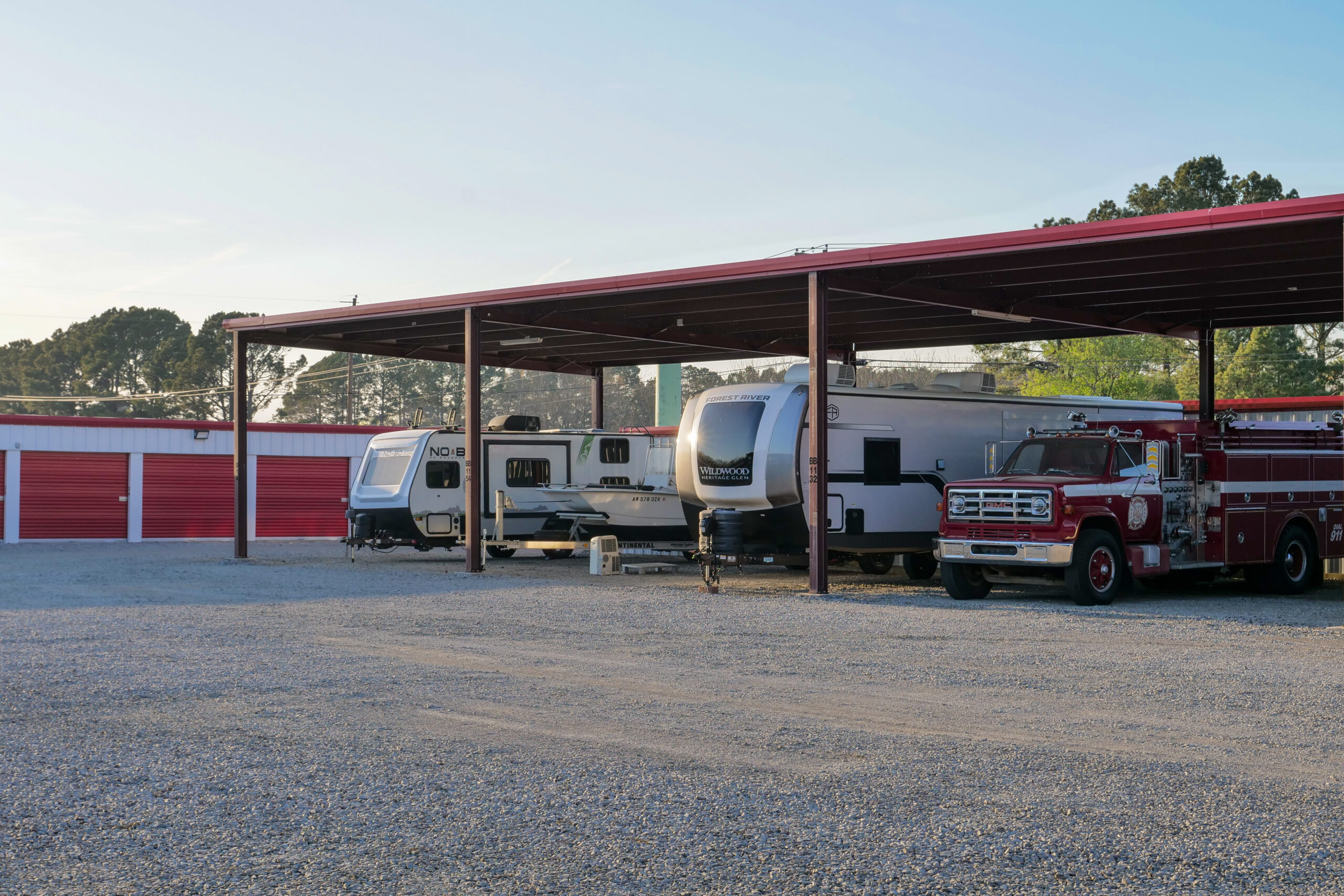
Why drive-up access matters when you're moving heavy items
Searcy U Storage offers drive-up units, which means you back a vehicle or truck right to the door instead of carrying loads down a corridor. For mattresses, sofas, and appliances, that's the difference between a 15-foot walk and a two-hour move. Drive-up also lets you load in the order you'll want to unload, and it pairs well with the moving dolly and truck rentals available onsite. If most of your inventory is bulky, weight the convenience of drive-up over a slightly cheaper unit that's harder to reach.
Load your least-needed items to the back first and your seasonal or frequently accessed items near the door — drive-up only saves time if the stuff you want isn't buried.
Read the price, the fees, and the access hours together
A low headline rate can hide admin fees or a promo that resets after a few months. Searcy U Storage lists a one-year rate lock and states there are no admin fees, with 24/7 access included rather than charged as an add-on — so the number you compare should be the ongoing monthly rate, not just the intro deal. The facility advertises 25% off the first four months, which is worth having but shouldn't be the reason you pick a size. Confirm what's bundled: unit, insurance, and a lock if you need one.
Ask what the rate becomes after any promotional period ends and get the locked figure in writing — a discount that expires is a budgeting event you should plan for, not a surprise.
Does the AR-36 side of town work for your move?
Searcy U Storage sits at 3385 AR-36, on the highway corridor that connects Searcy to the surrounding White County area, which makes it a straightforward stop whether you're moving across town or coming off Highway 67/167. For Harding University families handling a dorm move-out or an apartment turnover, a drive-up unit on a highway route means you can load a truck and reach the unit without threading through downtown traffic. With 24/7 access, timing your visit around class schedules, work, or a moving-day truck return is up to you rather than the office hours.
Leave a narrow aisle when retrieval matters. A perfectly packed unit is only efficient if you never need anything until move-out.
3385 AR 36, Searcy, Arkansas 72143, United States
The last check: try the tighter size in your head
Before you commit, run one final test. Picture your measured anchor items placed first, then your box stacks along the walls, then the walkway if you need one. If that mental layout leaves you shoving the last few boxes in sideways, you're forcing a fit — price out the next size up before you decide. Often the difference between a cramped unit and a comfortable one is a modest monthly amount that's worth it the first time you need to reach something in back.
Get the next-size-up quote at the same visit so you can compare comfort against dollars on the spot instead of second-guessing after you've already moved in.
Quick summary
| Decision | What to check | Why it matters |
|---|---|---|
| Unit size | Do measured anchor items plus boxes and a walkway fit? | Prevents both cramming and paying for empty space |
| Walkway | How often you'll visit the unit | Frequent access needs an aisle, which usually means one size up |
| Climate | Whether you're storing wood, electronics, or upholstery | Arkansas heat and humidity can warp and mildew sensitive items |
| Access | Drive-up vs. carrying loads down a corridor | Drive-up saves hours when moving heavy furniture |
| Price | Ongoing rate, fees, and when promos expire | The intro deal shouldn't drive your size or long-term cost |
| Hours | Access hours vs. office hours | 24/7 access lets you move on your own schedule |
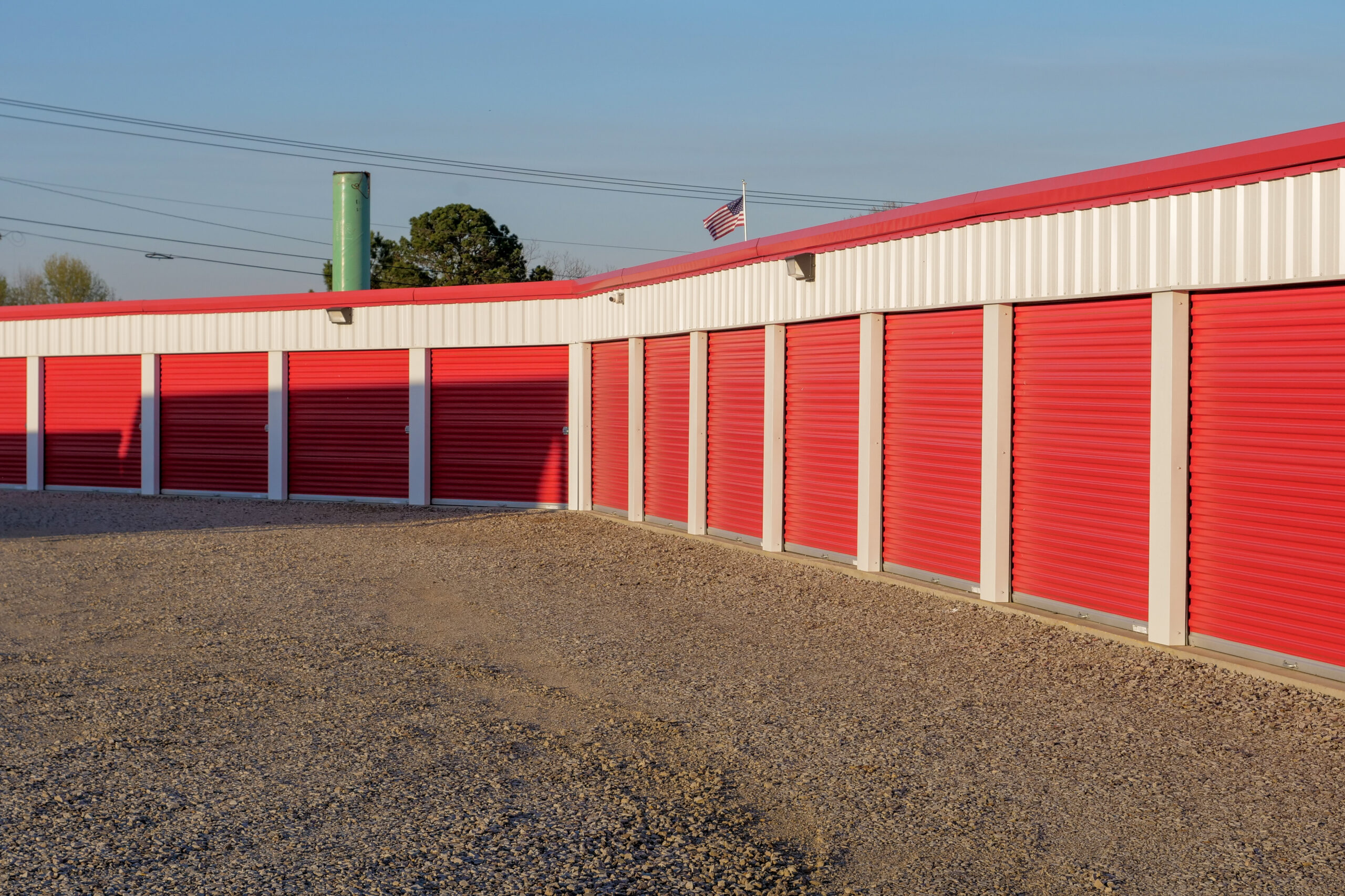
Storage numbers worth checking
Use these numbers as decision anchors before comparing facilities. The goal is not to guess a perfect unit — it is to compare the same details across options.
List largest items, box count, and aisle needs.
Use these as comparison anchors.
Monthly rate, promo length, required fees.
Drive-up convenience vs. indoor protection.
| Check | What to compare | Why it matters |
|---|---|---|
| 5×10 | Boxes, small bedroom, seasonal items | A small unit can save money if it truly fits |
| 10×10 | Apartment contents or household overflow | Often a safer middle option for mixed items |
| 10×20 | Multi-room moves or large equipment | More room can reduce loading frustration |
| Climate control | Sensitive vs. durable belongings | Arkansas heat and humidity change the risk |
StorageGuide verdict
Use the article as a decision filter: choose the smallest unit that comfortably fits your load, use climate control for wood, electronics, documents, photos, and fabrics, prioritize access that matches your real schedule, and compare regular rates and fees before trusting the cheapest promotion.
Storage FAQs
What size unit do I need for a one-bedroom apartment in Searcy?
A 10×10 handles most one- to two-bedroom apartments, but confirm by measuring your largest items first. If you have a full appliance set or plan to walk through the unit, look at a 10×15.
Are the units at Searcy U Storage drive-up?
Yes. The AR-36 facility offers drive-up storage units, which let you back a vehicle to the door for easier loading of larger items.
Can I access my unit any time?
The facility provides 24/7 access, and it isn't charged as an add-on. Office hours for in-person help are Monday–Friday 8:00 AM–5:30 PM and Saturday 8:00 AM–4:00 PM, closed Sunday.
Do I need climate control for summer storage?
It depends on your items. Wood furniture, electronics, and upholstery are most vulnerable to Arkansas heat and humidity. For those, add humidity protection; for tools and plastic totes, standard storage is usually fine.
Should I just get the cheapest unit?
No. Pick the smallest unit your items and walkway actually fit, then compare the ongoing rate rather than only the intro discount. A unit that's too tight costs you time and access every visit.
Find the right-sized unit in Searcy
Measure your biggest items, compare two sizes, and check drive-up access and locked pricing before you rent. Use the finder to line up your options.